North Dakota Motor Vehicle Power of Attorney Form
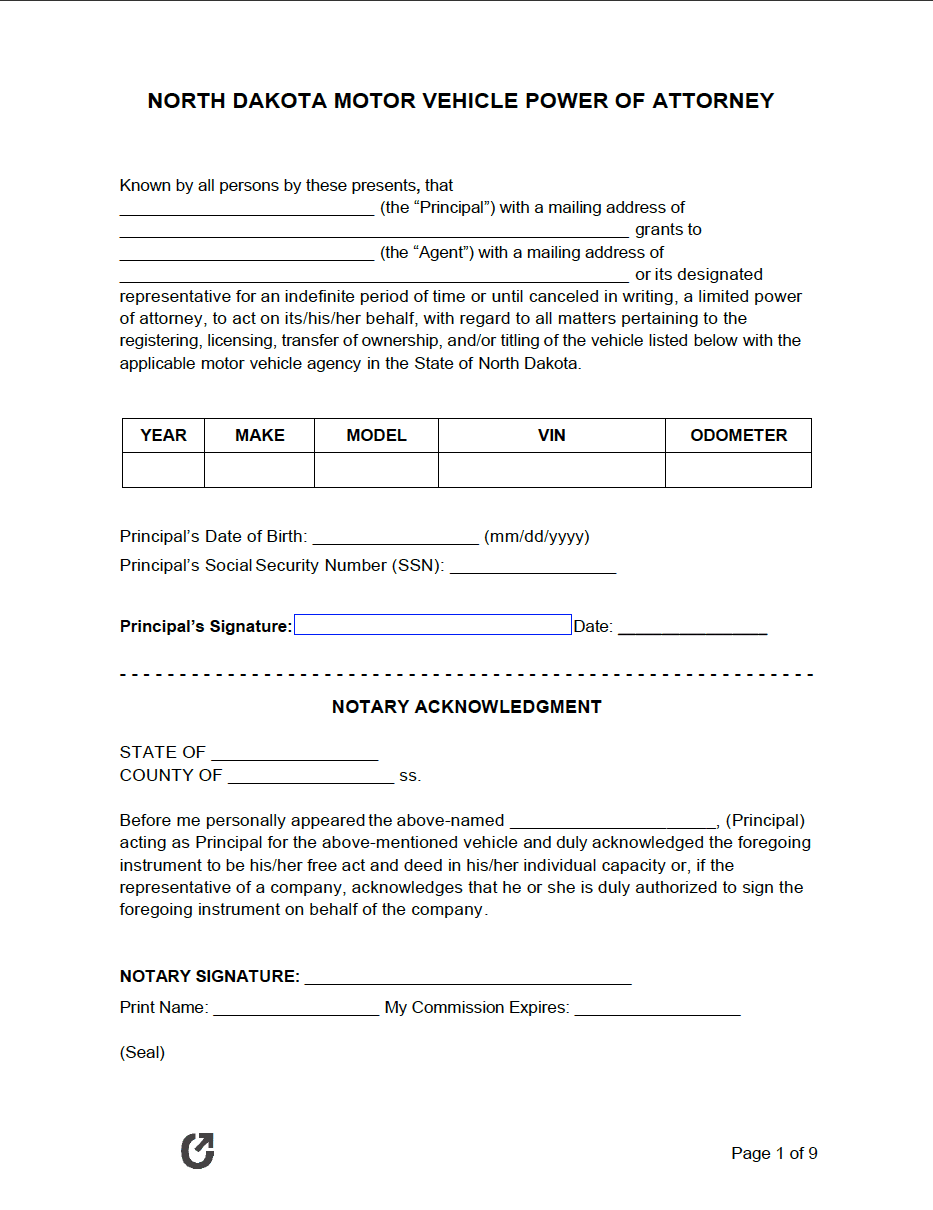
A North Dakota motor vehicle power of attorney gives a trusted person (the attorney-in-fact) short-term powers to handle tasks regarding their vehicle, such as registering or transferring the vehicle’s title. The vehicle owner must choose a trustworthy friend, family member, or business partner over eighteen (18) years of age to take on the role. The appointed person must perform the tasks by following verbal or written instructions provided by the owner.
An attorney-in-fact’s authority differs based on the services that an owner needs. Compared to other power of attorney forms, the duties assigned with a motor vehicle power of attorney are short-lasting. The form terminates automatically once the attorney-in-fact carries out their responsibilities.
If the attorney-in-fact has questions about their role when acting as a representative, they must contact the owner immediately. Clarifying concerns with the owner prevents the attorney-in-fact from making wrongful or undesired choices. For this reason, the owner must enter their address, phone number, and email. Similarly, including this information allows the Department of Motor Vehicles, buyer, or seller to contact the owner if needed.
With the form in hand, the attorney-in-fact can sign documents, such as applications and affidavits, for the owner. When the attorney-in-fact signs on the owner’s behalf, they must write the letters “POA” next to their name. Other commonly assigned tasks include buying or selling the vehicle, obtaining registration and title, or requesting information about the car.
If the person who created the document is a business owner, they must include the name and contact information of the company. While the form does not need to be notarized, this step officializes the form. If the owner decides to notarize the document, they must show the Notary Public a valid form of identification (ID). Accepted forms of ID include a driver’s license, birth certificate, passport, or military ID.
Signing requirements: None; notarization recommended.
How to Write
Step 1 – Principal and Agent Information
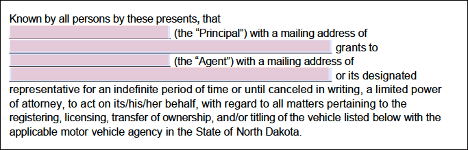
Start by writing the name of the principal (the person granting authority) and his/her mailing address. Then write the agent’s name (attorney-in-fact) and address.
Step 2 – Description of Vehicle and Principal Signature
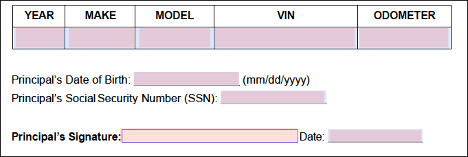
Provide the year, make, model, VIN (Vehicle Identification Number) and current odometer reading (mileage). The principal writes his/her date of birth (e.g., 03/09/1972) and Social Security Number. The principal must sign and date.
Step 3 – Notary Public (Optional)
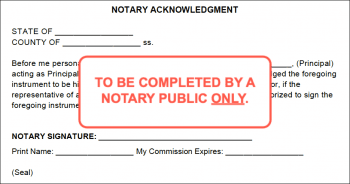
North Dakota state law does not mandate notarization for this document, but it is recommended to authenticate it. Request Notary Public services on eSign.com or request a government, public, or private official to notarize the form in-person.