
Georgia Rental Lease Agreement Templates
The Georgia Lease Agreements allow landlords to set binding conditions that tenant(s) leasing their property are required to follow. Each agreement has unique characteristics that allow them to be useful for specific scenarios, such as the leasing of property for business purposes, leasing property that can be purchased by the tenants, and more. Although each form is different in its own right, they all cover major topics such as the cost of rent, utilities, guests, pets, default, eviction, and term.
Types (8)
 Commercial Lease Agreement (Form CF10) – Solely for use by landlords and property owners that are looking to lease their property to business-owning tenants.
Download – Adobe PDF
 Commercial Sublease Agreement (Form CF12) – A form for use by business-owning tenants to lease a currently rented space or building to another business.
Download – Adobe PDF
 Lease to Own Agreement (Form F36) – A form that serves as two (2) forms in one – allowing a property to be leased normally, with the added condition that the tenant(s) can choose to purchase the property at the end of the lease.
Download – Adobe PDF
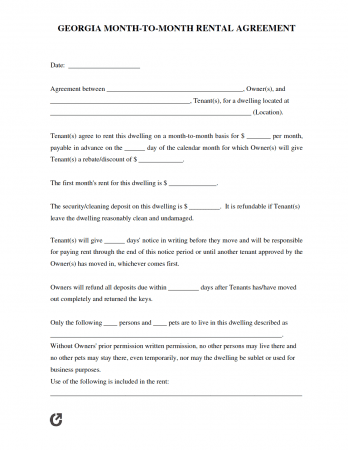 Month-to-Month Rental Agreement – Used for renting out property on a monthly basis. Either party can terminate the agreement with minimal notice.
Download – Adobe PDF, Word (.docx)
 Rental Application (Form F44) – For screening tenant-candidates prior to signing a written lease agreement.
Download – Adobe PDF
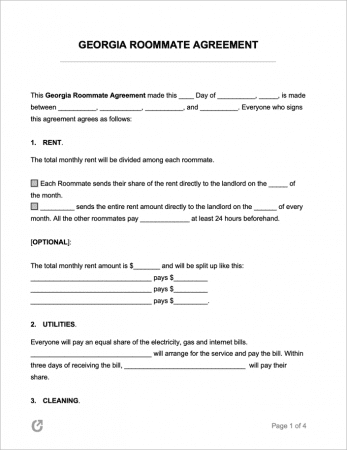 Roommate Agreement – Used for helping to establish positive relations among members of a shared rental unit.
Download – Adobe PDF, Word (.docx)
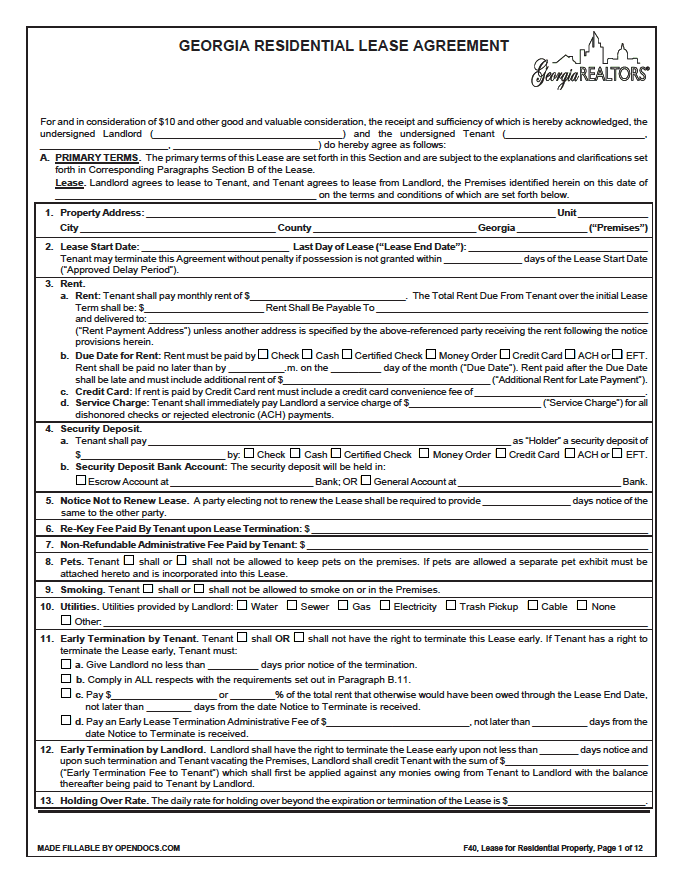
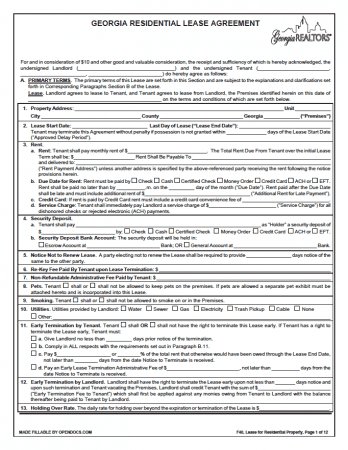 Standard Residential Lease Agreement (Form F40) – The most commonly used lease-type; reflects landlord and tenant legal obligations as set out by Georgia state law.
Download – Adobe PDF
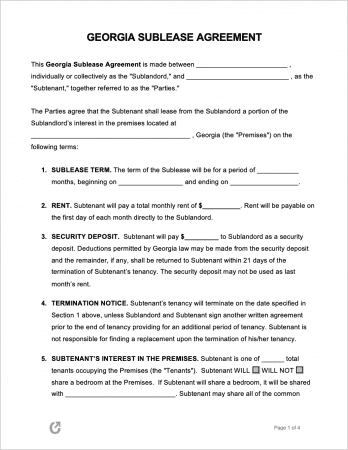 Sublease Agreement – A legally-binding contract signed between a sublandlord (original tenant to a property) and a subtenant (new tenant) that allows the subtenant to live in the property instead of the sublandlord.
Download – Adobe PDF, Word (.docx)
Required Disclosures (5)
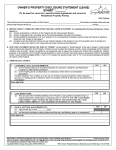 Property Disclosure Form (§ 44-7-33): Before accepting the tenant’s security deposit, landlords must present tenants with a detailed list of any existing damage to the premises.
Download: Adobe PDF
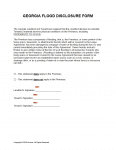 Flooding Disclosure – by eForms (§ 44-7-20): Landlords must disclose the property’s propensity for flooding if the living space has flooded three or more times during the previous five (5) year period.
Download: Adobe PDF
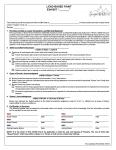 Lead Paint Disclosure: Landlords of properties built before 1978 must inform tenants of any known lead paint hazards, and also provide them with this pamphlet regarding the matter.
Download: Adobe PDF
Names and Addresses (§ 44-7-3): At or before the tenancy begins, the names and addresses of the landlord or person who acts on their behalf must be disclosed in writing.
Previous Tenant Issues (§ 44-1-16): The landlord shall inform the tenant (when asked) if a previous tenant of the property was infected with a virus or any other disease that can be transmitted through occupancy of the property. Additionally, they must also disclose if the property was ever the site of a homicide, felony, suicide, or death by accidental or natural causes.
What is a Georgia Lease Agreement?
A Georgia Lease Agreement is a document used to clearly indicate the legal obligations a tenant must uphold when leasing a property, as well as those of the landlord who owns the property. As a means of vetting tenants before entering into this legally-binding relationship, it is useful for landlords to have tenants fill out a rental application.
State Laws & Guides
Laws: Georgia §§ 44-7 – “Landlord and Tenant”
Landlord-Tenant Guides / Handbooks
- Georgia Landlord Tenant Handbook.pdf
- Georgia Landlord Tenant Handbook Frequently Asked Questions (FAQ).pdf
Landlord’s Access
- Emergency: Although not specified by state law, landlords may always enter the property without notice in emergency situations.
- Non-Emergency: There is no state statute outlining non-emergency circumstances for landlord entry. However, page twelve (12) of The Georgia Landlord Tenant Handbook details that landlords may enter according to the language specified in the lease—with most leases specifying that reasonable access is possible with notice prior to entry.
Security Deposits
- Maximum Amount: There is no maximum amount governed by state statute.
- Returning to Tenant (§ 44-7-34): The deposit must be returned within one (1) month to the tenant. Landlords with actual cause for retaining any portion of the security deposit must provide a written statement to tenants which specify the reasons for doing so.
- Deposit Interest: Landlords are not required to collect interest on tenant’s security deposits.